
What Should Be Checked in Air Duct Inspections?
When it comes to maintaining a healthy and efficient HVAC system in your home, air duct inspections are a crucial part of the process. Whether you’re a first-time homeowner or you’ve lived in Texas for years, understanding what inspectors look for in your air duct system can help you avoid common problems and keep your home’s air quality in top shape. At Mighty Ducts of Texas, we believe in educating homeowners about the importance of air duct inspections, ensuring they make informed decisions when it comes to the upkeep of their home’s air systems.
Why Air Duct Inspections Matter
You might wonder, why should you care about air ducts in the first place? Well, air ducts play a significant role in the overall performance of your HVAC system. If your air ducts are clogged, damaged, or poorly insulated, it can lead to a variety of issues, including poor indoor air quality, higher energy bills, and unnecessary strain on your HVAC unit.
Inspecting air ducts regularly ensures that your home remains comfortable and healthy, with air that’s free from dust, mold, and other harmful contaminants. It also helps maintain the energy efficiency of your system, saving you money in the long run.
What Inspectors Check During an Air Duct Inspection
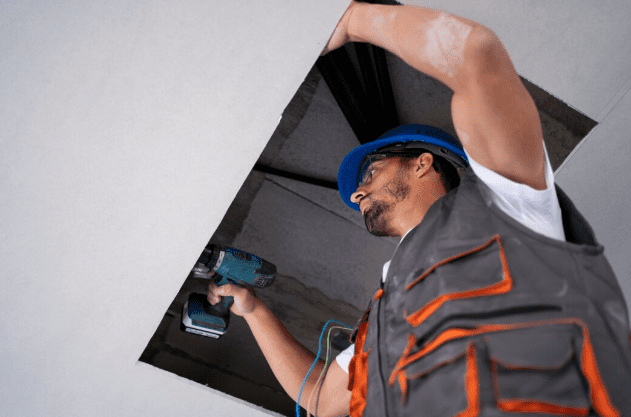
Air duct inspectors use specialized tools and techniques to assess your system thoroughly. Here’s what they typically look for:
1. Airflow Restrictions
The most common issue that inspectors look for during an air duct inspection is poor airflow. Blockages in the ducts can severely restrict airflow, reducing the effectiveness of your HVAC system. Inspectors will use air duct testing equipment, such as airflow meters, to measure how well air is circulating through your ducts.
If airflow is significantly restricted, it can indicate a buildup of dust, debris, or even mold. Airflow testing ensures that all areas of the house receive proper ventilation, making your HVAC system more effective and energy-efficient.
2. Air Duct Leaks
Air duct leaks are one of the most common issues found during an inspection. Leaks can occur in air duct joints, around seals, or anywhere the ductwork is connected. These leaks can lead to loss of heated or cooled air, which in turn reduces the efficiency of your HVAC system.
Inspectors typically use an air duct inspection camera or thermal imaging devices to detect these leaks. If an air duct inspection camera detects any visible gaps or cracks, the system will likely need to be resealed to restore its efficiency.
3. Moisture and Mold
The presence of moisture in air ducts is a significant concern. Moisture can seep into your air ducts from condensation, leaks in the roof or walls, or poor ventilation. This moisture is a breeding ground for mold and mildew, which can severely affect the indoor air quality of your home.
Inspectors check for visible mold growth on air ducts and other HVAC components using a camera for air duct inspection. If they spot any signs of mold, it’s essential to take immediate action as mold spores can circulate throughout the home, causing health problems such as allergies and respiratory issues.
4. Pest Infestation
Another critical issue inspectors look for during an HVAC duct inspection is evidence of pest infestations. Rodents and insects often make their homes in ductwork, where they can leave droppings, urine, and other debris that can be harmful to your health.
If the inspector finds signs of pests, they will advise on how to remove them safely and clean the air ducts to eliminate any remaining hazards.
5. Duct Damage and Structural Issues
Inspectors will also evaluate the structural integrity of your air ducts. Over time, ductwork can become damaged due to age, physical wear, or improper installation. Cracks, holes, and disconnected air ducts can lead to air loss and inefficiency.
HVAC duct inspection involves checking for any visible structural damage and ensuring that the ducts are properly connected and insulated. If damage is found, repairs will need to be made to ensure the system operates efficiently.
6. Debris and Dust Buildup

Accumulation of dust and debris in the air ducts is another common issue that inspectors will look for. Dust and other particles can accumulate inside the air ducts over time, especially if air filters are not changed regularly. This not only reduces airflow but also affects your indoor air quality.
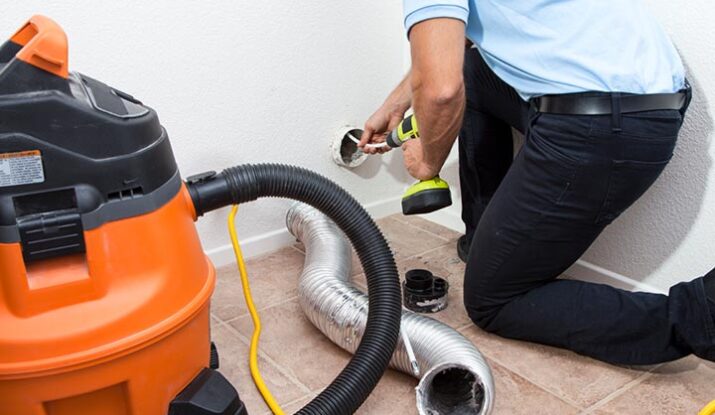
During the inspection, the inspector will use specialized tools like vacuum systems and air duct cleaning tools to remove debris and dust buildup. They may also check the condition of air filters to ensure they are effectively trapping particles and preventing them from entering the ductwork.
7. Ventilation System Efficiency
Proper ventilation is crucial for maintaining a healthy indoor environment. If your air ducts are not properly ventilated, it can lead to a buildup of heat and humidity, making your home uncomfortable. Inspectors will evaluate the entire ventilation air quality to ensure your system is distributing air evenly throughout your home.
They will check air vents and duct registers to make sure air is flowing correctly and that ventilation fans are working as intended.
Tools Used by Inspectors During Air Duct Inspections
To effectively assess the state of your air ducts, inspectors rely on several specialized tools:
1. Air Duct Testing Equipment
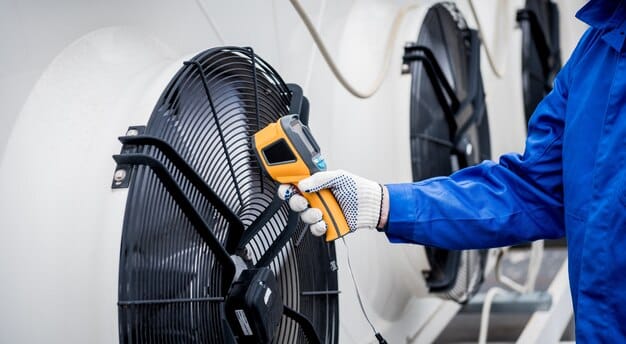
This equipment measures airflow and helps detect blockages or leaks within the air duct system. Thermal imaging cameras are often used to identify temperature differences that indicate a leak or poor airflow.
2. Air Duct Inspection Camera
An inspection camera allows the inspector to look inside the air ducts and identify issues that are not visible from the outside. This tool helps detect blockages, mold growth, and structural damage.
3. Moisture Meters
Moisture meters are used to check for any moisture in the air ducts, which could indicate potential mold or mildew problems.
4. High-Efficiency Vacuums
To remove dust and debris from inside the air ducts, inspectors use high-powered vacuums. These vacuums are designed to clean out even the most stubborn buildup without damaging the ductwork.
When Should You Schedule an Air Duct Inspection?
Regular air duct inspections are crucial to maintaining a healthy indoor environment. Here’s when you should schedule one:
- At least every 3–5 years: Regular inspections can help catch issues before they become bigger problems.
- After a home renovation, Dust and debris from renovations can easily clog up air ducts.
- If you notice poor airflow or uneven temperatures, if certain rooms in your home feel warmer or colder than others, it’s time to check your air ducts.
- If you see visible mold or smell unusual odors: If your air ducts are releasing musty odors, it could indicate mold or mildew buildup.
Why Choose Mighty Ducts of Texas?
At Mighty Ducts of Texas, we pride ourselves on providing the best air duct inspection services in the state. Our expert technicians use the latest air duct testing equipment and a camera for air duct inspection to thoroughly assess your system. We offer professional HVAC air duct inspection and air duct cleaning services to ensure your system runs efficiently, providing you with clean, fresh air.
When you book with us, you’re choosing a company that values communication, transparency, and honest service. We don’t just check your air ducts, we make sure your home stays healthy, comfortable, and energy-efficient.
Conclusion
Air duct inspections are a critical part of maintaining your home’s air quality and HVAC system. By understanding what inspectors look for from airflow and moisture issues to blockages and pest infestations, you can stay ahead of any potential problems and ensure your air ducts are in top shape.
At Mighty Ducts of Texas, we’re here to help. If you haven’t had an air duct inspection recently, contact us today to schedule a professional inspection and make sure your home’s air is as clean and healthy as it can be!